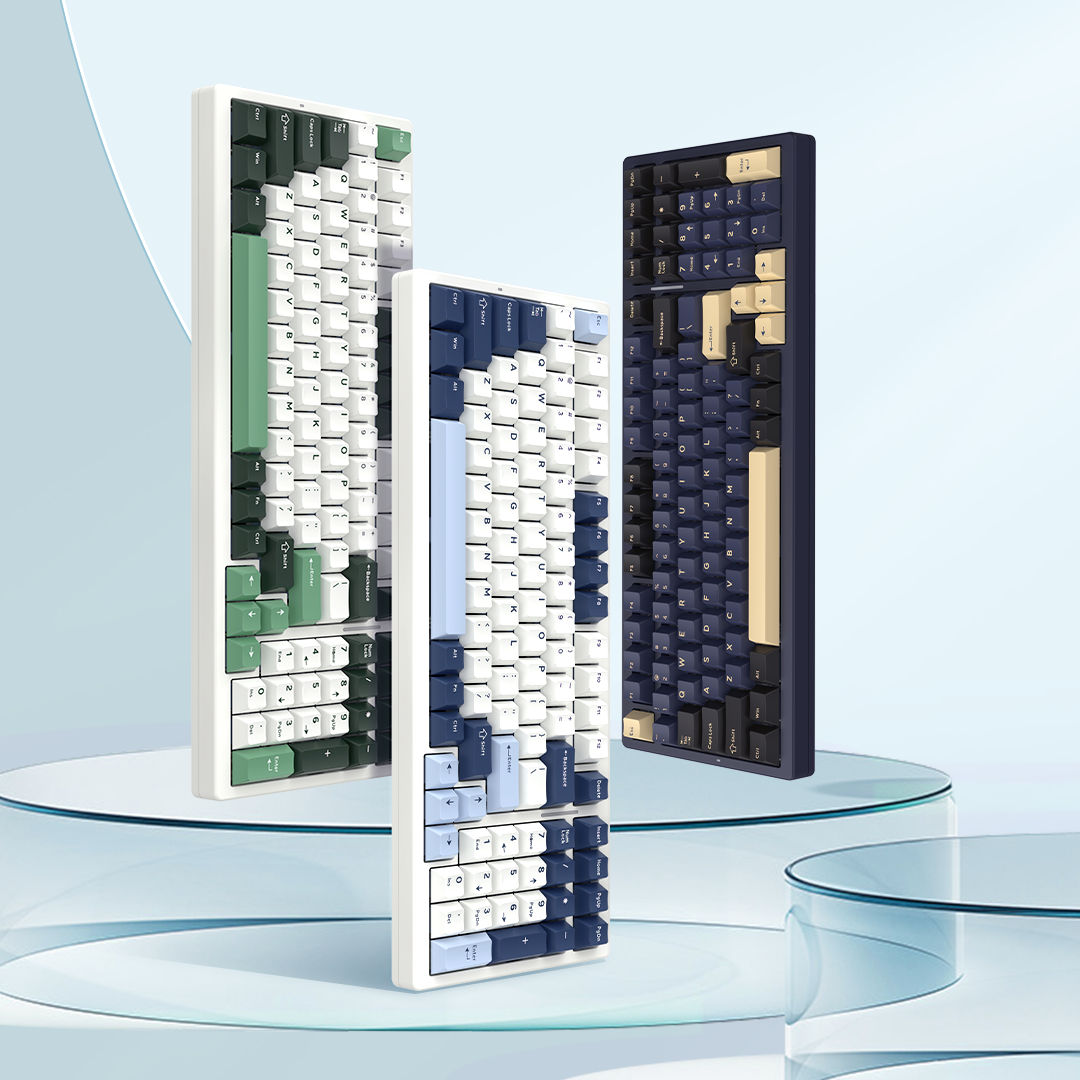

What Causes Keyboard Rattle and How to Avoid It
Keyboard rattle is one of the most common complaints among mechanical keyboard users, especially for those who type or game for long hours and pay close attention to sound and feel. Even a high-quality keyboard can feel distracting if certain keys produce a loose, metallic, or uneven noise. This kind of inconsistency often breaks immersion during gaming and makes typing feel less refined, particularly when compared to smoother, more tightly tuned boards.

Beyond sound alone, keyboard rattle can directly affect the overall typing experience and user satisfaction. Rattling keys often feel unstable, inconsistent, or imprecise, which can reduce confidence during fast inputs or extended sessions. For enthusiasts and competitive users alike, eliminating rattle is not just about acoustics—it’s about achieving a solid, controlled, and premium keyboard feel that matches the expectations of a best mechanical keyboard 2026.
What Is Keyboard Rattle
Keyboard rattle refers to the unwanted noise and looseness that occurs when certain keys move or vibrate more than they should during a keypress. Instead of producing a clean, controlled sound, affected keys may create a metallic, hollow, or shaky noise, especially when pressed off-center. This issue is most noticeable on larger keys but can also occur on regular keys if the internal components are not properly stabilized.

At its core, keyboard rattle is caused by excess play between moving parts inside the keyboard, such as keycaps, stabilizers, switch housings, or the mounting structure. When these components are not tightly fitted or properly tuned, they can vibrate against each other during actuation. While rattle does not usually affect electrical performance, it can significantly reduce perceived build quality, typing comfort, and overall satisfaction for users who value a smooth and refined keyboard experience.
Main Causes of Keyboard Rattle
Keyboard rattle is typically the result of small mechanical inconsistencies that become noticeable during typing or gaming, especially on larger keys that rely on stabilizers.
One of the most common causes is poorly tuned stabilizers. If the stabilizer wire is not evenly balanced, properly seated, or adequately lubricated, it can vibrate inside the housing and create a metallic or hollow sound. This is especially noticeable when pressing keys off-center, which causes uneven force distribution and exposes any looseness in the stabilizer system.

Another major factor is loose tolerances between components. Keycaps that fit too loosely on switch stems, mechanical keyboard key switches that are not firmly mounted in the plate or PCB, or plates that flex excessively can all introduce unwanted movement. When parts are not tightly integrated, even small vibrations can turn into audible rattle during normal use.

Finally, insufficient internal dampening can amplify rattle. Keyboards without foam layers, silicone dampeners, or solid case construction allow vibrations to resonate inside the case. Lightweight plastic housings, hollow interiors, or thin plates tend to magnify these sounds, making rattle more noticeable even if the underlying issue is relatively minor.
Which Keys Are Most Prone to Rattle
Certain keys are far more prone to rattle than others due to their size and the way force is distributed across the switch and stabilizer system.
Large keys such as the spacebar, Enter, Shift, Backspace, and the numpad 0 are the most common sources of keyboard rattle. Because these keys are wider than standard alphanumeric keys, they rely on stabilizers to keep the keycap level during presses. If the stabilizers are poorly tuned, loosely fitted, or unevenly lubricated, the key can tilt slightly when pressed off-center, causing metal wire noise, plastic-on-plastic vibration, or an inconsistent sound profile.

In contrast, standard letter and number keys rarely produce noticeable rattle because they use a single switch without stabilizers. When rattle does appear on smaller keys, it is usually caused by loose switch housings, plate tolerances, or keycaps that do not fit snugly on the switch stem. This is why rattle complaints almost always focus on large keys, and why stabilizer quality and tuning play such a critical role in overall keyboard sound and feel.
How to Reduce or Eliminate Keyboard Rattle
Reducing or eliminating keyboard rattle usually requires a combination of proper tuning, material choices, and structural improvements rather than a single quick fix. The most effective step is stabilizer tuning. Lubricating stabilizer wires and housings with appropriate grease significantly reduces metal-on-plastic friction and vibration. Ensuring the stabilizers are properly clipped, aligned, and securely mounted helps eliminate uneven movement that causes rattle, especially on larger keys like the spacebar and Enter key, making it easier to find mechanical keyboard deals that deliver both performance and reliability.

Improving internal dampening also plays a major role. Adding foam or silicone layers between the PCB and case, or using a gasket-mounted or well-isolated plate design, helps absorb vibrations before they resonate through the keyboard. A heavier case—such as aluminum—naturally reduces rattle by minimizing flex and hollow sound amplification.

Finally, keycap and switch fitment should not be overlooked. Using high-quality keycaps with tighter stem tolerances and ensuring switches are fully seated in the plate prevents unnecessary movement. In many cases, simply addressing these small mechanical details can dramatically improve sound quality, resulting in a cleaner, more solid typing experience with minimal rattle.
Choosing a Keyboard That Minimizes Rattle
To minimize keyboard rattle, focus on build quality, stabilizer tuning, and internal design. Keyboards with rigid cases, foam dampening, and well-lubricated stabilizers reduce vibration and deliver smoother, quieter keystrokes. VGN keyboards like the VGN FLASH x Landspace with its CNC aluminum chassis and premium magnetic switches, or the VGN V87 V2 with carefully tuned stabilizers, offer stable, rattle-free typing and gaming experiences straight out of the box. Choosing such keyboards ensures consistent feel and minimal noise without extra modifications.