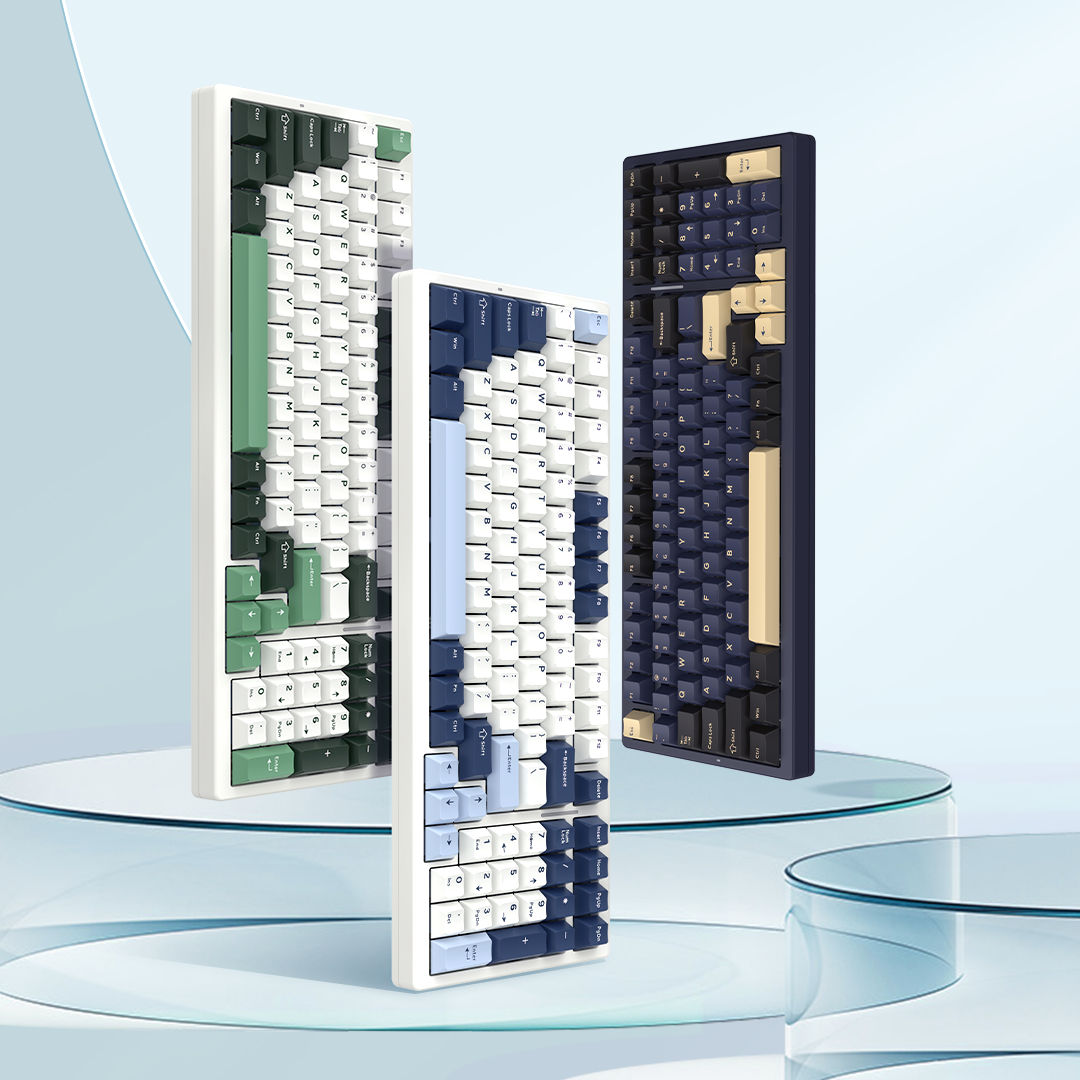

How Keyboard Key Spacing Influences Competitive Gaming Speed
In competitive gaming, every millisecond counts, and precision is just as important as speed. One factor that is often overlooked is the spacing between keys on your keyboard. Even small differences in key distance can affect finger movement, accuracy, and reaction time. Gamers with suboptimal key spacing may experience more missed inputs, slower combo execution, or increased fatigue during extended play sessions.
Key spacing becomes even more critical for high-speed games such as FPS, MOBA, or rhythm-based titles, where rapid key presses and combinations are essential. Even when choosing a best budget gaming keyboard, understanding how key layout and spacing influence performance helps players make more informed decisions to support faster, more accurate gameplay.

Understanding Key Spacing and Layout
Key spacing refers to the distance between the centers of adjacent keys, often called key pitch, while layout refers to the overall arrangement of keys on a keyboard. Common layouts like ANSI (primarily used in the US) and ISO (common in Europe) differ slightly in spacing and key placement, which can influence how naturally your fingers move across the board. Even minor variations of a few millimeters in key spacing can affect comfort, reaction time, and accuracy, especially during high-speed gaming where rapid sequences of key presses are required.

Mechanical keyboards further add complexity with different keycap shapes, row profiles, and the spacing between rows. Compact designs such as 60% or Tenkeyless (TKL) boards minimize finger travel distances, potentially increasing speed for players who rely on swift key combinations. In contrast, full-size keyboards provide more separation between certain keys, which can reduce accidental presses but may slightly increase movement time. Additionally, ergonomic considerations—like staggered rows or sculpted keycaps—interact with spacing to influence overall hand positioning. Understanding how spacing and layout interact allows gamers to select keyboards that match their hand size, play style, and comfort preferences, ultimately improving both speed and consistency during extended gaming sessions.
Impact of Key Spacing on Typing and Gaming Speed
Key spacing plays a crucial role in both typing efficiency and gaming performance. When keys are spaced too closely, fingers may brush against adjacent keys, leading to accidental presses and input errors. Conversely, keys that are spaced too far apart force your fingers to travel longer distances, increasing the time it takes to execute rapid sequences of commands. In competitive gaming, even small delays caused by suboptimal spacing can accumulate, resulting in slower reaction times and missed opportunities during critical moments.

Beyond speed, key spacing also affects accuracy. Muscle memory relies on consistent spacing so that your fingers can instinctively hit the correct keys without conscious effort. Gamers who frequently use multi-key combinations, macros, or hotkeys are particularly sensitive to spacing variations. Properly designed spacing, combined with high-quality mechanical keyboard key switches, allows for smoother finger transitions, reduces hand strain during long sessions, and ensures that keystrokes are registered reliably. Studies and user feedback from competitive players indicate that keyboards optimized for ergonomic key spacing can measurably improve both typing rhythm and in-game performance.
Optimal Key Spacing for Different Gaming Styles
The ideal key spacing often depends on the type of games you play and your personal hand size. For fast-paced shooters like FPS titles, close key spacing can help reduce finger travel time, allowing for quicker response when performing repeated actions such as movement, crouching, or weapon swapping. Compact layouts like 60% or Tenkeyless (TKL) keyboards often excel in this scenario because your fingers can reach multiple keys with minimal movement, reducing the risk of missed inputs during intense battles.

For strategy games, MMOs, or MOBAs that require complex key combinations and frequent use of macros, slightly wider key spacing may be beneficial. This spacing provides more room for accuracy when hitting multiple keys simultaneously or in rapid succession, reducing accidental presses that can disrupt gameplay. Additionally, hand ergonomics come into play: larger hands may prefer keyboards with slightly more space between keys to avoid cramping, while smaller hands benefit from tighter layouts. Understanding these nuances allows gamers to select a keyboard layout and spacing that maximizes both speed and accuracy for their preferred gaming style.
Choosing a Keyboard That Matches Your Style
Selecting the right keyboard is about matching layout and key spacing to your hands and gaming habits. Smaller hands benefit from compact layouts like 60% or 75% for faster key combinations, while larger hands may prefer full-size or TKL keyboards with slightly wider spacing to reduce accidental presses.

FPS and action gamers often favor tighter spacing for quicker reflexes, while strategy or MMO players may need more room for multi-key commands. VGN keyboards offer options for every style: the Neon Series (68% / 75% layout) provides vibrant RGB and responsive actuation, the FLASH Series (75% layout) focuses on ultra-low latency, the V98 Series (98% layout) balances compact design with ergonomic spacing, and the V87 Series (TKL layout) offers a reliable layout with comfortable key spacing. These keyboards combine thoughtful spacing, tactile switches, and optimized firmware for consistent performance.