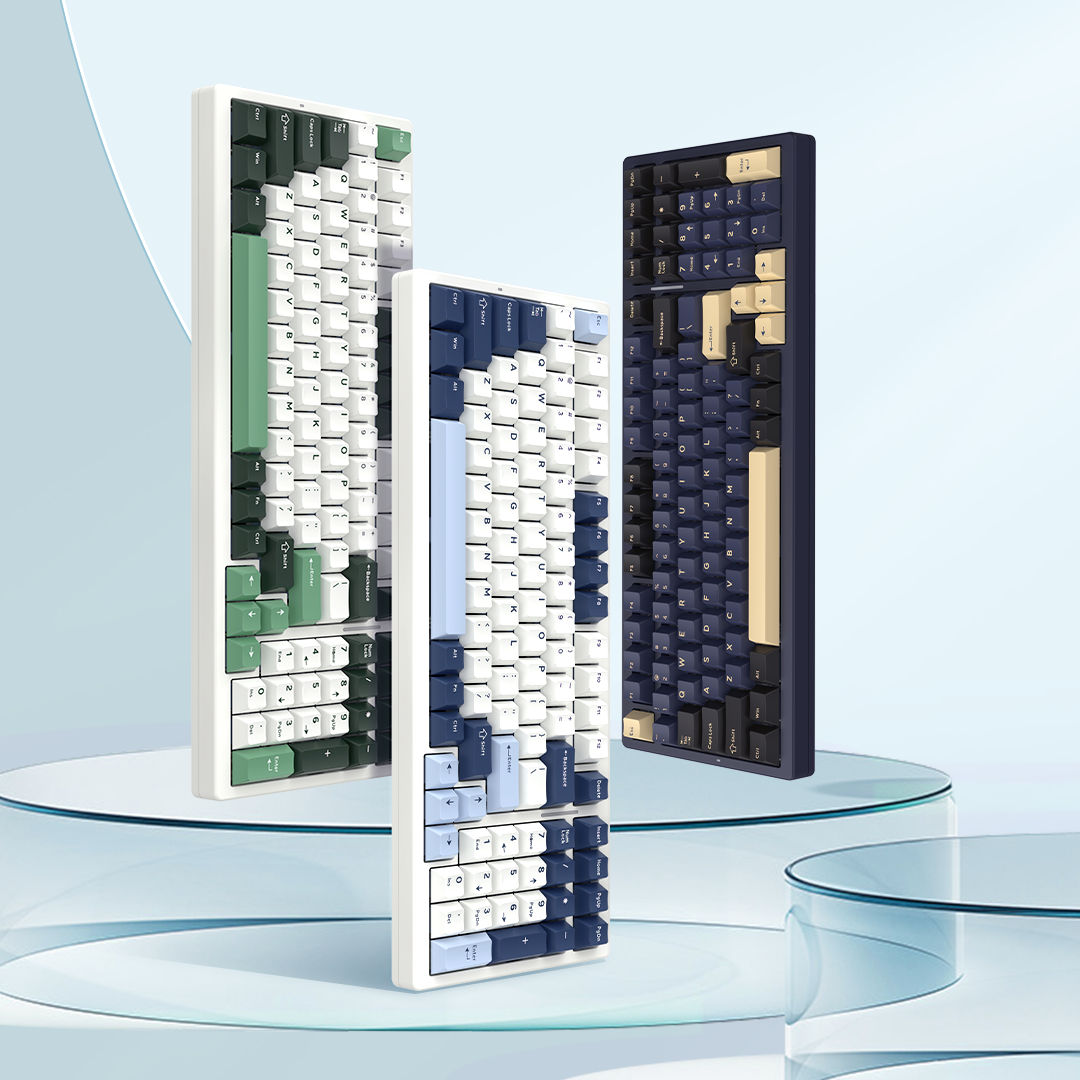

Analog-Schalter vs. Mechanische Schalter und welcher ist besser für deinen Spielstil
Switch-Technologie spielt eine entscheidende Rolle dabei, wie sich eine Gaming-Tastatur anfühlt, reagiert und performt. Seit Jahren dominieren mechanische Schalter die Gaming-Welt mit ihrem taktilen Feedback, ihrer Haltbarkeit und ihren unterschiedlichen Auslösearten. Doch da das Gaming immer wettbewerbsintensiver und immersiver wird, hat sich ein neuer Konkurrent herauskristallisiert: analoge Schalter.
Analogschalter bieten ein Maß an Präzision und Kontrolle, das herkömmliche mechanische Schalter nicht erreichen können, wodurch Spieler Eingaben mit größerer Feinheit justieren können. Das Verständnis der Unterschiede zwischen diesen beiden Schaltertypen ist nicht nur nützlich – es beeinflusst direkt die Leistung im Spiel, den Komfort und das Gesamterlebnis.

Bevor Sie eine Tastatur auswählen, ist es wichtig zu untersuchen, wie diese Schalter funktionieren und wie jeder einzelne mit Ihrem einzigartigen Spielstil übereinstimmt.
Was sind mechanische Schalter
Mechanische Schalter sind das traditionelle Rückgrat von Gaming-Tastaturen, bekannt für ihr charakteristisches Gefühl, ihre Langlebigkeit und gleichbleibende Leistung. Jede Taste verwendet einen individuellen physischen Schalter, der aus einem Gehäuse, einer Feder und einem Stamm besteht. Wenn die Taste gedrückt wird, aktiviert der Schalter an einem bestimmten Punkt und sendet ein präzises Signal an Ihren PC.
Mechanische Schalter gibt es in mehreren Kategorien – linear, taktil und klickend –, die jeweils ein unterschiedliches Tipp- und Spielgefühl bieten. Lineare Schalter ermöglichen gleichmäßige, unterbrechungsfreie Tastenanschläge, ideal für actionreiche Spiele, während taktile Schalter eine spürbare Rückmeldung durch einen spürbaren Widerstand bieten. Klickende Schalter erzeugen ein hörbares Klicken, das von manchen Nutzern für Rhythmus und Präzision geschätzt wird, was sie zu einem wichtigen Aspekt bei der Auswahl macht.mechanische Tastaturtastenschalterfür Ihre Einrichtung.

Da mechanische Schalter auf festen Auslösepunkten basieren, bieten sie vorhersehbare und zuverlässige Reaktionen. Diese Konsistenz ist der Grund, warum sie bei Wettkampfspielern, Schreibkräften und allen, die ein stabiles und vertrautes Tastenfeedback schätzen, weiterhin beliebt sind.
Was sind Analogschalter
Analogschalter stellen einen großen Fortschritt in der Tastaturtechnologie dar und bieten eine Präzision und Kontrolle, die weit über herkömmliche mechanische Schalter hinausgeht. Im Gegensatz zu mechanischen Schaltern – die als einfache Ein/Aus-Eingaben funktionieren – erkennen Analogschalter, wie weit eine Taste gedrückt wird. Dies ermöglicht variable, controllerähnliche Eingaben, ähnlich wie Joystick-Bewegungen oder Triggerempfindlichkeit.
Anstatt sich auf einen einzigen festen Auslösepunkt zu verlassen, verwenden analoge Schalter Sensoren, um den Tastenhub kontinuierlich zu messen. Abhängig vom Schaltertyp kann dies auf verschiedene Weisen erreicht werden:
Hall-Effekt-Analogschalter
Diese Schalter nutzen Magnetfelder, um den Tastenhub zu erfassen. Sie bieten eine gleichmäßige, schnelle Reaktion, einstellbare Auslösepunkte und nahezu sofortige Rückstellung – Eigenschaften, die sie zur ersten Wahl für Gamer machen, die nach derbeste Tastatur mit Halleffektfür den Wettbewerbsspiel.

Optische Analogschalter
Diese Schalter basieren auf lichtbasierten Sensoren zur Positionserkennung. Sie bieten schnelle Reaktionszeiten, geringeren Verschleiß und eine extrem konsistente Eingabedetektion.

Da analoge Schalter mehr interpretieren als nur "gedrückt oder nicht gedrückt", eröffnen sie die Tür zu fortgeschrittenen Funktionen wie dynamischer Auslösung, Rapid-Trigger, anpassbaren Eingabekurven und mehrstufigen Aktionen auf einer einzelnen Taste. Ob für Rennspiele, Shooter oder kreative Anwendungen, analoge Schalter bieten ein Maß an Anpassungsfähigkeit, das mechanische Schalter einfach nicht erreichen können.
Wichtige Leistungsunterschiede
Beim Vergleich von mechanischen und analogen Schaltern liegt der wichtigste Unterschied darin, wie jeder Typ Eingaben interpretiert – und wie sich das auf Geschwindigkeit, Präzision und Kontrolle während des Spielens auswirkt. Während mechanische Schalter in Konsistenz glänzen, steigern analoge Schalter Vielseitigkeit und Reaktionsfähigkeit auf ein neues Level.
1. Betätigungsverhalten
Mechanische Schalter verwenden einen festen Auslösepunkt, was bedeutet, dass jede Taste jedes Mal in der gleichen Tiefe registriert. Diese Konsistenz ist ideal für Spieler, die sich auf ihr Muskelgedächtnis verlassen.
Analogschalter bieten jedoch eine variable Betätigung, sodass Sie ultrasensible Auslöser für schnelles Feuern oder tiefere Betätigung für kontrollierte Bewegungen einstellen können. Diese Flexibilität gibt Spielern mehr Kontrolle darüber, wie sich die Tasten verhalten.
2. Eingangsgenauigkeit
Mechanische Schalter bieten zuverlässige, vorhersehbare Reaktionen, sind jedoch auf einfache Ein-/Aus-Eingaben beschränkt.
Analogschalter erfassen kontinuierliche Bewegungsdaten, was eine feinere Kontrolle ermöglicht – wie zum Beispiel die Geschwindigkeitsanpassung, druckbasierte Aktionen oder mehrstufige Befehle über eine einzige Taste.

3. Geschwindigkeit zurücksetzen und Rapid Trigger
Bei mechanischen Schaltern muss der Schlüssel den Reset-Punkt passieren, bevor er erneut auslösen kann.
Analogschalter unterstützen Rapid Trigger, wodurch Tasten sich sofort bei jedem Hub zurücksetzen, sobald Sie den Druck lösen. Dies verbessert die Reaktionsfähigkeit in Shootern und rhythmusbasierten Spielen erheblich.
4. Anpassungsfähigkeit
Mechanische Schalter können durch Federn, Schmierung und Schaltertypen angepasst werden, aber ihr Auslöseverhalten bleibt gleich.
Analogschalter ermöglichen eine Software-Anpassung, wie zum Beispiel einstellbare Auslösepunkte, analoge Kurven oder eine individuelle Empfindlichkeit pro Taste — was Spielern eine beispiellose Kontrolle darüber gibt, wie jede Taste reagiert.

Insgesamt bieten mechanische Schalter Konsistenz und Vertrautheit, während analoge Schalter Präzision, Anpassungsfähigkeit und eine Reaktionsfähigkeit der nächsten Generation bieten, die ideal für Spieler ist, die mehr fein abgestimmte Kontrolle wünschen.
Welcher Schaltertyp passt zu deinem Spielstil
Die Wahl zwischen analogen Schaltern und traditionellen mechanischen Schaltern hängt letztendlich davon ab, wie Sie gerne spielen. Wenn Sie Genres bevorzugen, die auf Präzision basieren, wie Rennspiele, kompetitive Shooter oder Titel, bei denen ein gradueller Eingabekontakt einen taktischen Vorteil bietet, bieten analoge Schalter eine Reaktionsfähigkeit, die mechanische Schalter einfach nicht replizieren können. Ihre Fähigkeit, unterschiedliche Druckstufen zu erkennen, ermöglicht es Ihnen, die Bewegungsgeschwindigkeit fein abzustimmen, Peeks-Winkel flüssiger auszuführen oder mit joystick-ähnlicher Präzision zu lenken – all das, ohne die Tastatur zu verlassen, was sie zu einem entscheidenden Merkmal macht, auf das man achten sollte.bestes Tastatur mit magnetischem Schalter.

Andererseits, wenn dein Spielstil eher auf Konsistenz, vorhersehbare Tastenanschläge und das befriedigende Gefühl einer klar definierten Betätigung ausgerichtet ist, bleiben mechanische Schalter eine starke Wahl. Sie bieten präzises Feedback, zuverlässige Leistung und eine breite Palette taktiler, linearer und klickender Optionen, die verschiedenen Komfortpräferenzen entsprechen. Während mechanische Schalter keine variable Eingabe bieten, macht ihr vertrautes und zuverlässiges Verhalten sie ideal für das Tippen, Casual-Gaming und Genres, die auf schnelle, vollständige Tastenanschläge fokussiert sind. Letztendlich hängt die beste Option davon ab, ob du analoge Präzision oder das klassische mechanische Tipp-Erlebnis priorisierst.
VGN’s Ansatz zur Schalterinnovation
Bei VGN ist Schalttechnologie ein Eckpfeiler für die Bereitstellung von Präzision, Reaktionsfähigkeit und einem Wettbewerbsvorteil für Gamer. Unsere Tastaturen sind darauf ausgelegt, den Anforderungen unterschiedlicher Spielstile gerecht zu werden, indem sie Innovation, Zuverlässigkeit und Anpassungsfähigkeit in jedem Tastendruck vereinen.
DasVGN NeonDie Serie demonstriert VGNs Engagement für analoge Leistung mit magnetischen Schaltern. Ausgestattet mit fortschrittlichen Rapid-Trigger-Magnetschaltern ermöglicht der Neon Spielern, Aktuationspunkte präzise anzupassen und verschiedene Tastendrücktiefen mit außergewöhnlicher Genauigkeit zu erkennen. Seine dreifache Konnektivität (kabelgebunden, 2,4-GHz-Funk und Bluetooth), hohe Abfragefrequenz und austauschbare Magnetachsen machen ihn ideal für wettbewerbsorientierte Spieler, die Geschwindigkeit, Flexibilität und RGB-Personalisierung verlangen. Das kompakte 75%-Layout und die optimierte Gasket-Aufhängungsstruktur sorgen für komfortable, leise Tastenanschläge bei gleichzeitiger Aufrechterhaltung hoher Reaktionsfähigkeit für FPS-, MOBA- und MMO-Spielarten.

DasVGN FLASHDie Serie betont hingegen Stabilität und Langlebigkeit ohne Kompromisse bei der Leistung. Gebaut mit einem CNC-gefrästen Aluminiumgehäuse und ausgestattet mit hochpräzisen Magnet-Schaltern bietet FLASH eine solide, stabile Basis für intensive Gaming-Sessions. Sein heißtauschbares Magnet-Schalter-Design, die Gasket-Mounted-Konstruktion und die hohe Abfragefrequenz liefern konsistente und äußerst zuverlässige Eingaben, was es ideal für professionelle oder anspruchsvolle Spieler macht, die langfristige Stabilität, ein Premium-Gefühl und präzise Kontrolle priorisieren.

Gemeinsam spiegeln Neon und FLASH VGNs doppelte Herangehensweise an der Innovation magnetischer Schalter wider: Neon richtet sich an Gamer, die Agilität, Anpassungsfähigkeit und schnelle Reaktionszeiten suchen, während FLASH stabile, langlebige und gleichbleibende Leistung auf Flaggschiffniveau bietet. Dies stellt sicher, dass jeder Spieler eine Tastatur findet, die seinem Stil, seinen Bedürfnissen und seiner Spielintensität entspricht.