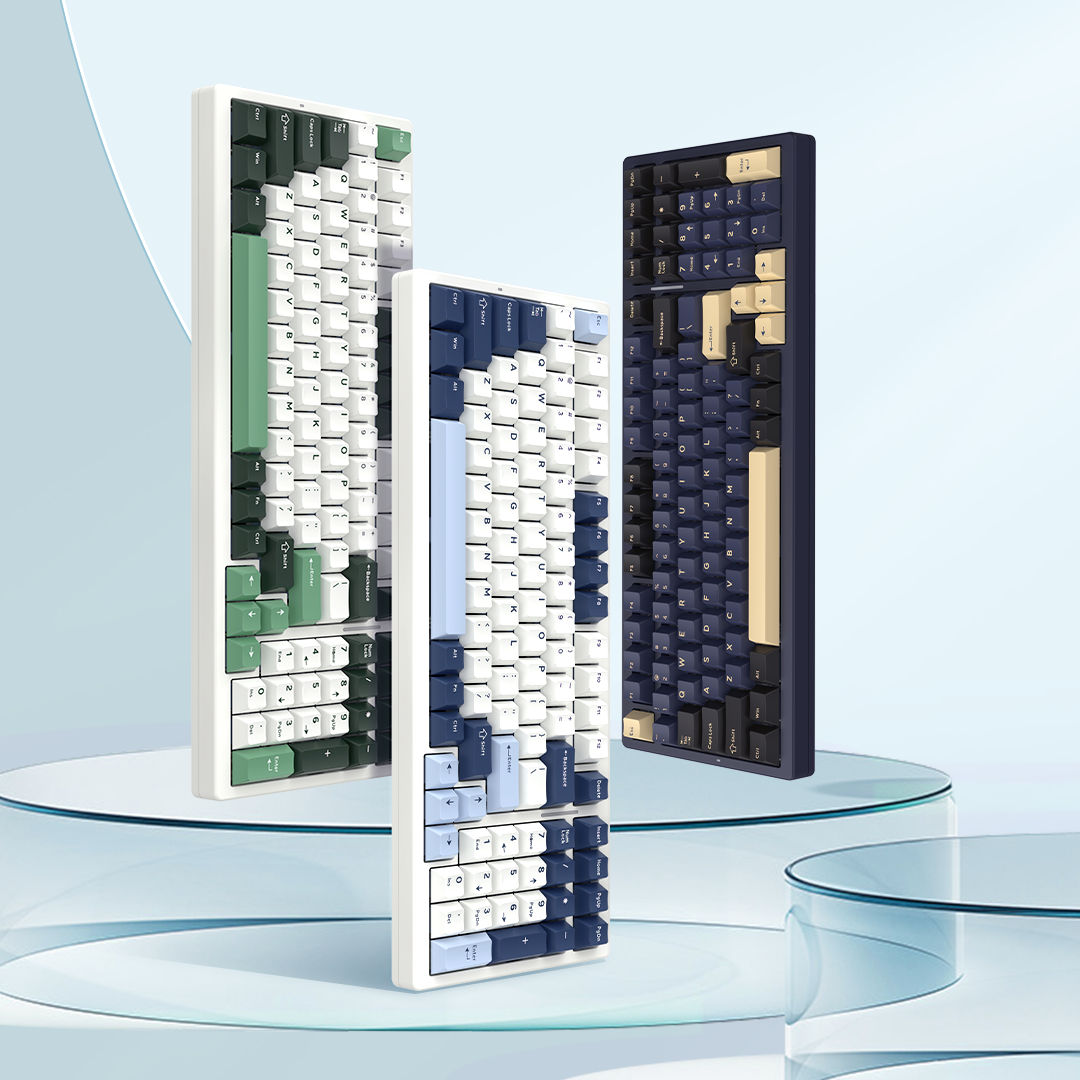

Pourquoi la qualité du micrologiciel du clavier est plus importante que les spécifications matérielles brutes
Lors du choix d'un clavier de jeu, de nombreux utilisateurs se concentrent beaucoup sur les spécifications matérielles brutes telles que la fréquence de rafraîchissement, le type d'interrupteur ou la latence annoncée. Bien que ces chiffres semblent impressionnants sur les fiches techniques, ils ne reflètent rarement la manière dont un clavier fonctionne réellement en utilisation quotidienne. Deux claviers avec des spécifications matérielles similaires peuvent offrir une sensation complètement différente en termes de réactivité, de cohérence et de fiabilité – surtout lors de longues sessions de jeu ou de frappe intensive. Cet écart entre les spécifications annoncées et l'expérience réelle laisse souvent les utilisateurs se demander pourquoi un clavier « haut de gamme » ne donne pas les sensations escomptées.

La raison est simple : les spécifications matérielles décrivent seulement le potentiel, pas l'exécution. Sans une optimisation adéquate, même des puces puissantes et des commutateurs rapides peuvent échouer à fournir une entrée cohérente. Des facteurs comme la manière dont les frappes de touches sont traitées, filtrées et transmises jouent un rôle majeur dans la performance globale. C'est pourquoi se concentrer uniquement sur les chiffres matériels manque une partie critique du tableau - et c'est pourquoi le micrologiciel du clavier détermine finalement à quel point ce potentiel matériel est réellement exploité, un facteur clé lors de l'évaluation de ce qui qualifie véritablement meilleur clavier mécanique 2026 plutôt que simplement la fiche technique la plus impressionnante.
Qu'est-ce que le micrologiciel du clavier et que contrôle-t-il ?
Le micrologiciel du clavier est le logiciel de bas niveau intégré dans le contrôleur d'un clavier qui gère la façon dont le matériel communique avec votre ordinateur. Contrairement aux pilotes ou aux paramètres du système d'exploitation, le micrologiciel fonctionne directement sur le clavier lui-même, traitant chaque pression de touche avant qu'elle ne soit envoyée au système. Il agit comme un pont entre l'entrée physique et la sortie numérique, déterminant comment les signaux sont scannés, traités et transmis en temps réel.

Plus important encore, le micrologiciel contrôle de nombreux aspects critiques de la performance du clavier, y compris la fréquence de balayage des touches, la logique de débounce, la mise en mémoire tampon des entrées et la priorisation des signaux. Il régit également des fonctionnalités telles que l'anti-ghosting, le multi-roulement des touches, l'exécution des macros et la stabilité de la communication sans fil. Même avec des commutateurs haut de gamme et des microcontrôleurs rapides, un micrologiciel mal conçu peut introduire des retards, des entrées incohérentes ou des frappes involontaires - rendant la qualité du micrologiciel un facteur décisif dans la façon dont un clavier se sent et fonctionne réellement.
Comment le micrologiciel affecte la précision et la réactivité des entrées
Le micrologiciel joue un rôle direct dans la manière dont un clavier répond avec précision et rapidité à chaque pression de touche. L'une de ses responsabilités principales est de gérer le balayage des touches et la logique de débounce, ce qui détermine comment le clavier interprète les signaux physiques des commutateurs. Un micrologiciel bien optimisé filtre les bruits indésirables et les rebonds sans ajouter de retard inutile, garantissant que chaque pression est enregistrée une fois - et une seule fois - au bon moment. Cela est particulièrement important pour les jeux rapides, où une gestion incohérente du débounce peut entraîner des entrées manquées ou des doubles pressions involontaires.

La réactivité ne concerne pas seulement les taux de rafraîchissement élevés ; elle dépend de la manière dont le micrologiciel traite et transmet efficacement les données d'entrée. Un micrologiciel mal optimisé peut introduire de micro-retards, des problèmes de mise en mémoire tampon d'entrée ou des temps de réponse incohérents, même sur des claviers dotés de spécifications matérielles impressionnantes. En revanche, un micrologiciel de haute qualité garantit des performances stables à faible latence en synchronisant le balayage, le traitement et la communication dans une boucle étroitement contrôlée. Le résultat est un clavier qui semble précis, prévisible et réactif - exactement ce dont les joueurs compétitifs et les dactylos professionnels ont besoin, surtout lorsqu'il est associé aux meilleurs commutateurs de clavier pour le jeu pour maximiser les performances et la cohérence.
Problèmes courants causés par un mauvais micrologiciel
Un micrologiciel de clavier mal conçu peut entraîner une large gamme de problèmes frustrants, même lorsque le matériel lui-même est capable. L'un des problèmes les plus courants est l'incohérence des entrées, où les frappes de touches sont enregistrées trop lentement, trop rapidement, ou pas du tout. Cela se manifeste souvent par des entrées manquées, des doubles pressions involontaires ou un comportement instable de débounce. Dans les scénarios de jeu, ces problèmes peuvent directement affecter les performances, provoquant des actions retardées ou des commandes inattendues lors de moments critiques.

Au-delà de la précision des entrées, un mauvais micrologiciel peut également affecter la stabilité globale et l'expérience utilisateur. Des problèmes tels que le ghosting des touches, l'exécution peu fiable des macros et la connectivité sans fil incohérente sont souvent liés à une faible optimisation du micrologiciel. Avec le temps, ces défauts deviennent plus perceptibles lors de longues sessions de jeu ou de frappe, rendant le clavier peu fiable malgré de solides spécifications matérielles. C'est pourquoi la qualité du micrologiciel n'est pas un détail mineur - c'est un élément fondamental qui détermine si un clavier fonctionne en douceur ou devient une source constante de frustration.
Pourquoi un bon micrologiciel rend un matériel moyen premium
Un bon micrologiciel a le pouvoir de transformer un matériel moyen en une expérience nettement plus raffinée et agréable. Si le matériel définit les limites théoriques d'un clavier, le micrologiciel détermine à quel point ces limites sont utilisées efficacement. Un micrologiciel bien optimisé garantit un balayage des touches stable, un contrôle précis du rebond et une synchronisation constante des signaux, permettant aux interrupteurs et aux contrôleurs de fonctionner au mieux. En conséquence, les frappes se sentent plus fluides, plus prévisibles et plus réactives - même si le matériel sous-jacent n'est pas de premier ordre sur le papier.

En revanche, les claviers avec des spécifications impressionnantes mais un mauvais micrologiciel semblent souvent incohérents ou mal finis dans l'utilisation réelle. C'est pourquoi certains claviers avec des configurations matérielles modestes peuvent surpasser des concurrents bourrés de spécifications en termes de sensation et de fiabilité. Un micrologiciel de haute qualité agit comme un multiplicateur d'expérience, réduisant les fluctuations de latence et les erreurs d'entrée tout en améliorant la cohérence globale. Pour les utilisateurs, cela se traduit par un clavier qui semble premium dans une utilisation quotidienne - un élément important à considérer lors de l'évaluation offres de claviers mécaniques, où les performances à long terme et la qualité du micrologiciel comptent souvent plus que les simples spécifications matérielles.
La qualité du micrologiciel est le véritable multiplicateur de performance
En fin de compte, la performance d'un clavier est définie non seulement par les spécifications matérielles, mais aussi par la façon dont ce matériel est intégré grâce au micrologiciel. Des taux de rafraîchissement élevés, des interrupteurs avancés et des contrôleurs puissants ont peu de valeur sans un traitement d'entrée stable, une logique de rebond précise et une gestion constante des signaux. C'est pourquoi un micrologiciel bien optimisé fait souvent une différence plus grande dans les performances réelles de jeu et de frappe que les simples spécifications brutes. Un clavier doté d'un bon micrologiciel semble simplement plus rapide, plus précis et plus fiable au fil du temps.

C'est ici que Claviers de jeu VGN se distinguer. VGN met l'accent sur l'optimisation du micrologiciel comme partie intégrante de la conception des claviers, assurant une précision d'entrée constante, des performances à faible latence et une stabilité à long terme en usage filaire et sans fil. En combinant un matériel solide avec un micrologiciel soigneusement réglé, les claviers VGN offrent une expérience raffinée et premium qui tient la route dans les jeux réels et la frappe quotidienne - et pas seulement sur les fiches techniques. Pour les utilisateurs qui vont au-delà des chiffres et choisissent des performances qu'ils peuvent réellement ressentir, les claviers VGN offrent une solution bien équilibrée et fiable.